
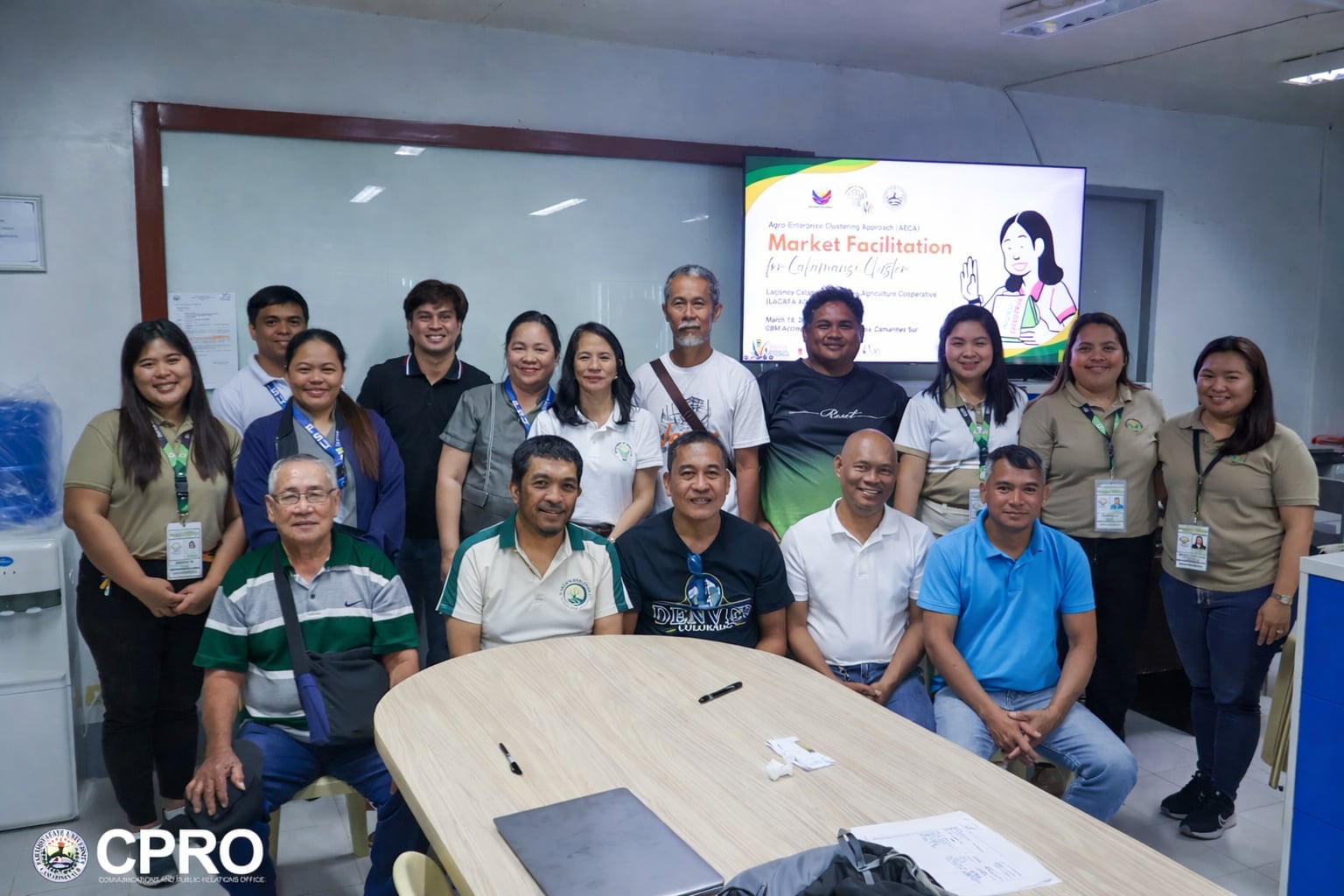

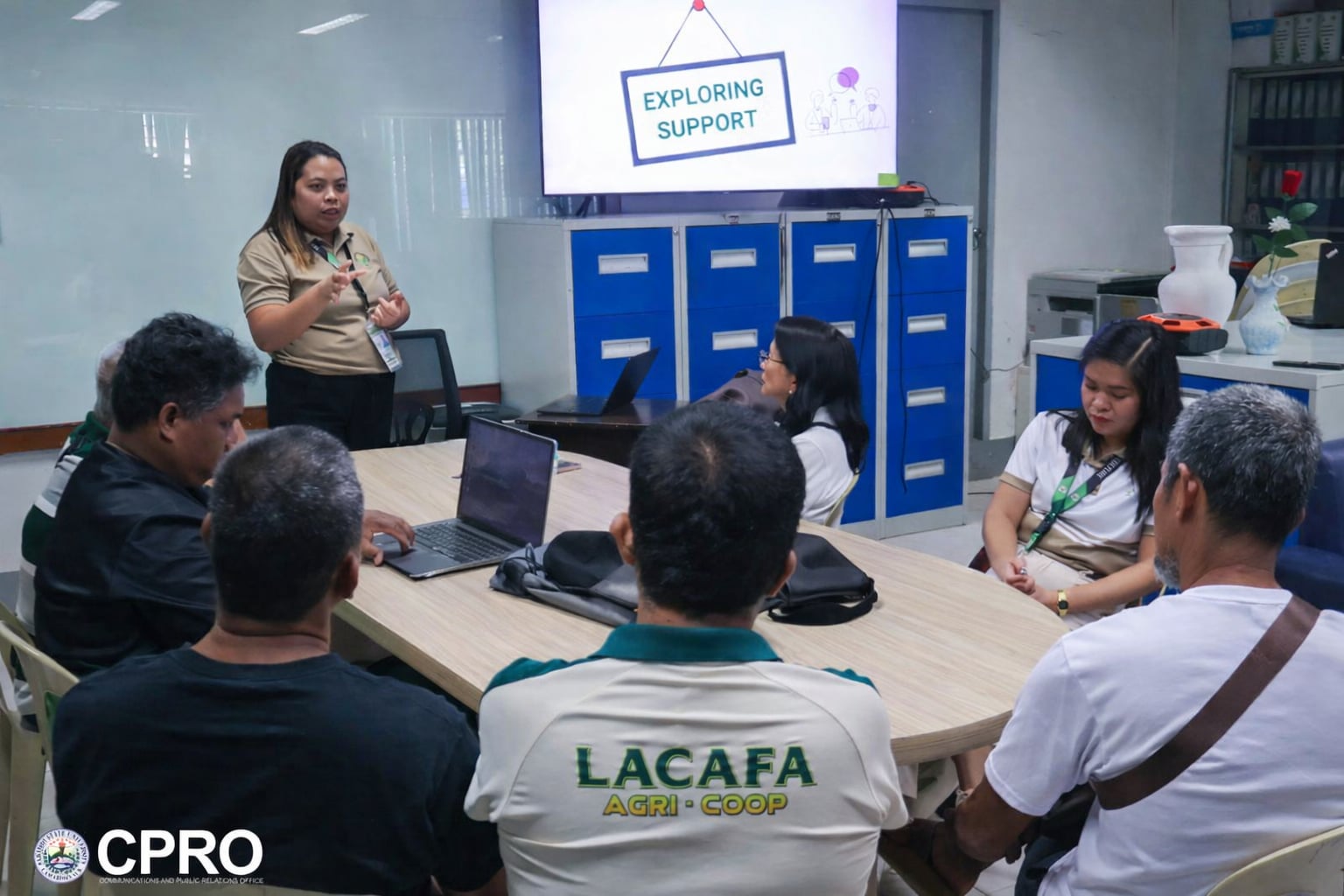

In a continuing push to transform local agriculture into a more market-driven enterprise, Partido State University (ParSU) College of Business and Management (CBM) and Center for Bioresource-based Enterprise Development, in partnership with the Department of Agriculture Regional Field Office V (DA RFO V) and the Lagonoy Calamansi Farmers Agriculture Cooperative (LACAFA), convened key stakeholders on March 18, 2026, to accelerate market access initiatives under the Agro-Enterprise Clustering Approach (AECA).
The meeting forms part of an ongoing multi-agency collaboration that began last year, positioning ParSU as the Lead Implementor of the Site Working Group for AECA under the DA’s Farm and Fisheries Clustering and Consolidation Program.
The AECA, a flagship mechanism of the DA RFO V, aims to organize farmers into viable agribusiness clusters by enhancing their capacities in production, enterprise planning, and market engagement. Through a series of structured, step-by-step sessions, farmer-participants are guided toward becoming technically equipped, market-oriented, and business-ready.
Central to the discussions was the current challenge LACAFA faces in advancing to the next phase of AECA implementation, specifically the identification and engagement of reliable calamansi buyers. While initial market prospects have been identified, the cooperative has yet to undertake critical market validation activities, including interviews with prospective buyers, which are essential to informed enterprise decision-making.
Recognizing this gap, stakeholders underscored the need for strengthened market facilitation, particularly through the support of the Agribusiness and Marketing Assistance Division. The meeting served as a strategic platform to align efforts in market identification, linkage-building, and the development of concrete action plans to ensure sustained demand for calamansi products.
ParSU reaffirmed its commitment to bridging academic expertise with grassroots enterprise development, emphasizing its role in capacitating farmer-cooperatives and enabling inclusive, sustainable growth in the agricultural sector.
The collaboration reflects a shared vision among government agencies, academe, and local cooperatives to build resilient agribusiness ecosystems in which farmers are not only producers but also empowered entrepreneurs integrated into competitive value chains.